
Why Truckers Still Fax Rate Confirmations (and a Faster Fix)
The SendFax.me Team · September 4, 2026 · 5 min read
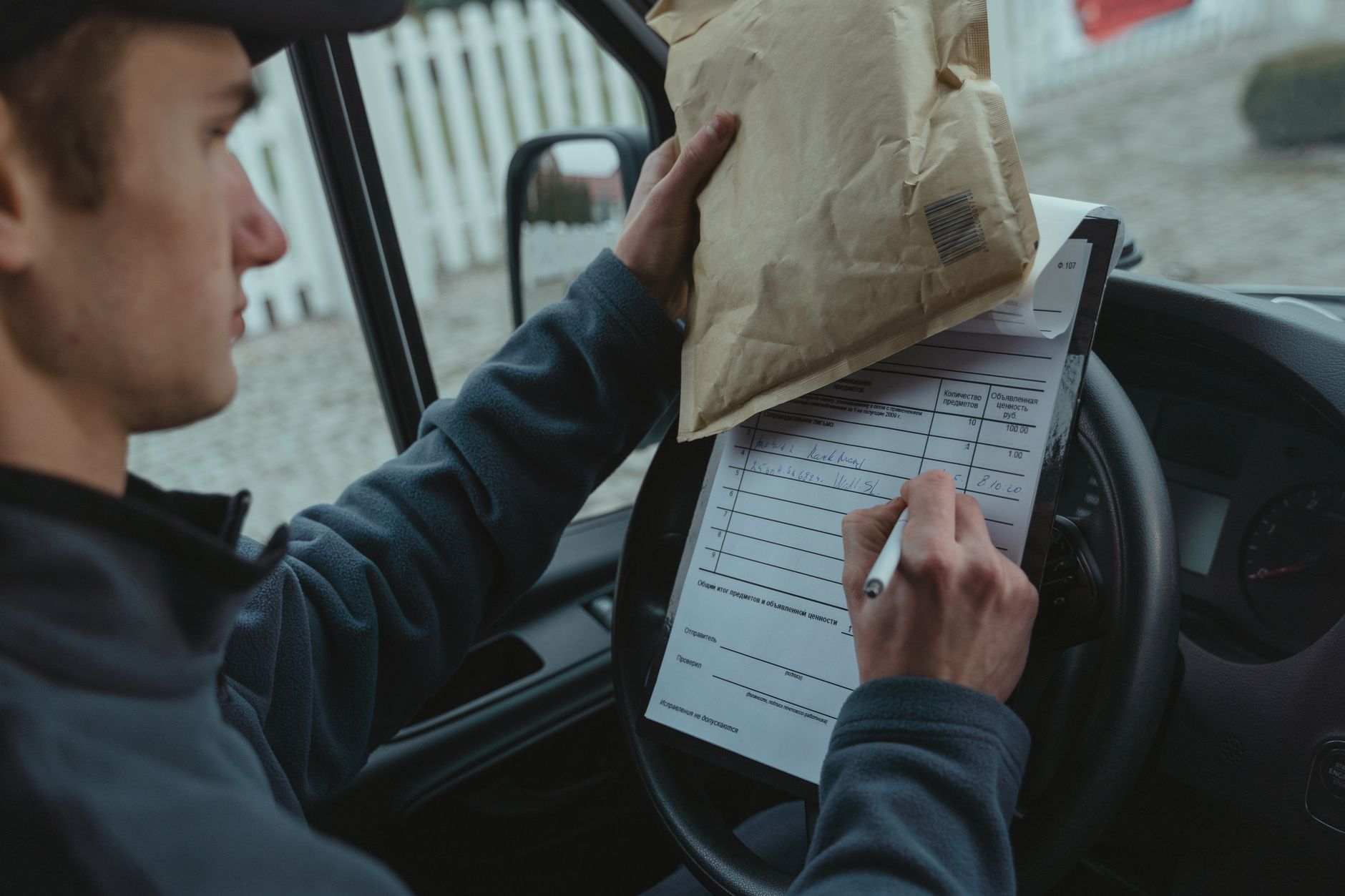
If you work in freight, you already know the drill: a load gets booked, and someone still has to fax rate confirmations back and forth before a truck moves. It sounds like a relic from the 1990s, but in trucking it's just Tuesday. Between brokers, small carriers, and owner-operators parked at a truck stop with spotty WiFi, fax is often the only channel every party can reliably use, sign, and trust.
This isn't a nostalgia problem. It's a math problem. Trucking still hauls the overwhelming majority of goods in the United States, and most of the companies doing that hauling are small operations without a back-office IT team.
Why Rate Confirmations Still Get Faxed in 2026
The scale of trucking explains a lot of this. Motor carriers delivered more than 72% of all domestic freight tonnage in the U.S. in the most recent industry data, and the businesses doing that work skew small. Small fleets dominate the U.S. trucking landscape, representing over 95% of motor carriers. On top of that, just over 11% of U.S. truck drivers are independent owner-operators.
That matters because a one-truck operation usually doesn't have a scanner, a document management system, or an IT department. What it has is a phone, maybe a laptop, and a rate confirmation that a broker needs signed before the load can legally move. In several states, a signed rate confirmation typically evidences a contract between brokers and trucking companies, so skipping the paperwork isn't really an option.
Drivers have figured out their own workaround. On trucking forums, it's common to see owner-operators describe paying for a basic online fax subscription just so they can sign and return paperwork from the road. One driver summed up the arrangement plainly: "I have a fax service on internet, costs me about $48/yr." That's a real cost, paid every year, for a service that might get used a few times a month.
The Manual Fax Workflow (and Where It Breaks)
On the brokerage side, the process is even more manual than most people realize. A typical spot freight transaction still involves someone manually filling out a PDF template in a legacy portal, emailing it to a truck driver or carrier dispatcher, waiting for them to print, sign, scan, or fax it back, and manually attaching the document to a Transportation Management System. If a rate changes because of a fuel surcharge or a lumper fee, the whole cycle starts over.
That friction adds up fast. Industry estimates suggest manual PDF emails, faxed rate sheets, and paper Bills of Lading cost freight brokers 45+ minutes per load. Multiply that across dozens of loads a day and you're looking at a full-time job that exists purely to shuttle paperwork back and forth. It's no surprise that automation is transforming the way freight brokers handle rate confirmations, saving time and reducing errors, but automation only works if the fax step itself gets automated too, not routed around.
Two Ways to Stop Losing Time to the Fax Machine
There isn't a one-size answer here, because a single owner-operator and a 40-person brokerage have very different needs.
For owner-operators and small brokerages, the fix is usually just switching to a browser-based fax tool instead of paying for a dedicated fax line or an annual subscription like the one mentioned above. With SendFax.me, you upload the signed rate confirmation or bill of lading as a PDF or photo, fill and sign it right in the browser if it still needs a signature, and send it from any laptop or phone. Pricing is pay-as-you-go per page with no subscription, and your first fax is free, so you're not locked into a yearly plan for something you might use twice a month. If you've never sent one before, the guide to sending your first fax walks through the whole process.
For brokerages and TMS platforms at scale, the better fix is removing the human from the loop entirely. Instead of a coordinator manually faxing each rate confirmation, the TMS calls a fax API the moment a load is tendered. The SendFax.me developer API sends a fax with a single POST request, so a rate confirmation or BOL can go out to the carrier's fax number automatically as soon as the load is booked, no coordinator required.
Setting Up Automated Rate Confirmation Faxing
A basic integration looks like this:
- Create an account and grab an API key from the SendFax.me dashboard.
- Generate the signed rate confirmation or BOL as a PDF from your TMS or template.
- Send a POST request to the fax endpoint with the carrier's fax number and the PDF attached.
- Listen for the real-time status webhook to know the moment the fax is delivered or fails.
- Log the transmission report back into your TMS as your compliance record for that load.
Because pricing runs on volume credit packs starting around 4 cents per US page, a brokerage sending hundreds of rate confirmations a month can automate the entire fax step for a fraction of what a legacy business fax line or a per-seat fax subscription costs. A contacts book also keeps frequent carrier fax numbers on hand, so repeat lanes don't require re-entering the same information every time.
Keep the Fax Trail You Need for Disputes
The fax itself isn't just a formality. Without a signed rate confirmation, proving mutual agreement on terms can be challenging, potentially affecting payment claims. That's exactly why delivery confirmations and transmission reports matter more in freight than almost any other industry: they're the paper trail that settles a dispute over a detention charge, a fuel surcharge, or a rate that got renegotiated mid-load. Automating the send doesn't just save time, it gives you a timestamped, searchable record of exactly when each carrier received and returned their paperwork.
If your brokerage's website also fields calls and load inquiries at all hours, it's worth knowing the same team behind SendFax.me also built Agentika, a 24/7 AI assistant widget for service businesses that answers website visitors and captures bookings, so dispatch isn't the only line that never stops ringing.
Whether you're an owner-operator tired of paying for a fax number you barely use, or a brokerage trying to shave 45 minutes off every load tender, the fix isn't ditching fax altogether. Freight runs on it. The fix is sending it through a system built for 2026, not 1996.
Need to send a fax right now?
Upload your document, enter the number, and it's delivered in minutes — your first fax is free. No fax machine, no subscription.